KADOTETUT PAIKAT
Kadotetut paikat / Muotoillut ratkaisut -ohjelma
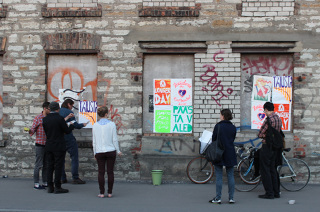
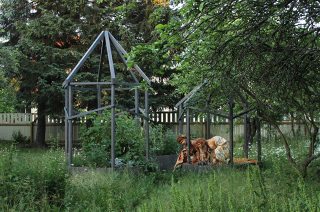
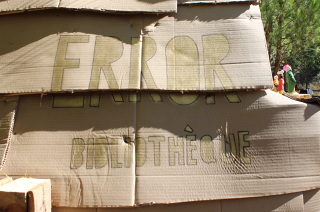
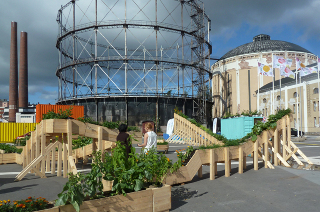
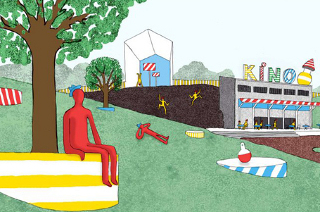
Kadotetut paikat (lost places) project´s aim was to develop old cultural sites in cities of Satakunta, West of Finland. The aim was to analyse the sites, re-think their settings and design different particitopary processes which would support the objective of reviving the sites through art and cooperation.
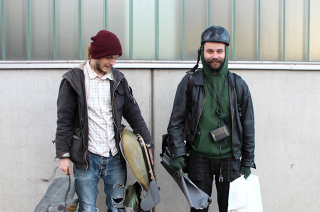
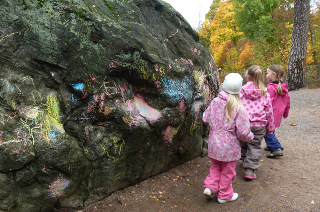
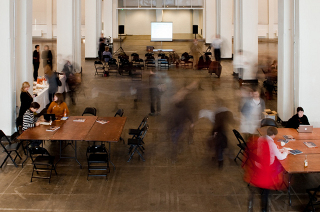
The target group of the project was local children and youth, who had no previous or meaningful relation to the sites. New concepts were planned by mapping the needs and ideas of different stakeholders and the ideas and collaboration were tested in workshops.
In Kankaanpää local skaters were invited to the process as experts to design a new skate park, which would, if realised, also be an addition to the local public art collection. City of Kankaanpää is now seeking funding to take the project further. The workshop was lead by landscape architect and skater Janne Saario.
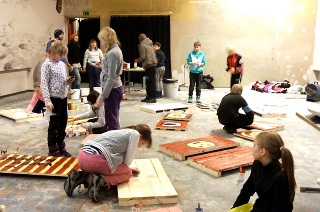
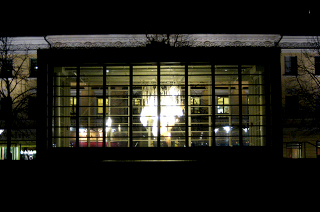
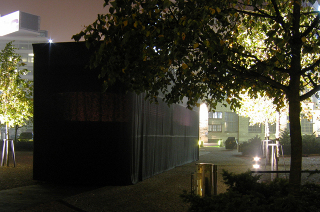
In Pori artists and local school children gathered to a workshop to start a collaborative art work which will continue in spring: the children will eventually create first piece of communal art to the sculpture park of Lyhytaaltoasema, a building, which was disused until artists of T.E.H.D.A.S. ry started to develop the site and use it for their activities. During the project childrens ideas and wishes were also collected. In the future Lyhytaaltoasema could function as an extended classroom, where learning by doing is possible.
In Rauma the workshop focused on exchanging the know-how between younger and older generation. Local media workshop for unemployed or youth who are in between studies got involved in the workshop sharing their skills with local artists and artisans to develop the visibility of the artisan district of Old Rauma. Several ways to develop the area were generated, which are now taken forward by stakeholders, such as the participants themselves but also city of Rauma. Architect Inari Virkkala was part of the team in Rauma.
Project report and more info here (in Finnish): www.muotoillutratkaisut.fi and in a blog.
The project was funded by Muotoillut ratkaisut (Designed Solutions) programme by Finnish Cultural Foundation and run by World Design Capital Helsinki 2012 organisation. The client was Satakunnan Ammattikorkeakoulu (University of Applied Sciences of Satakunta).
Kadotetut paikat (lost places) project´s aim was to develop old cultural sites in cities of Satakunta, West of Finland. The aim was to analyse the sites, re-think their settings and design different particitopary processes which would support the objective of reviving the sites through art and cooperation.
The target group of the project was local children and youth, who had no previous or meaningful relation to the sites. New concepts were planned by mapping the needs and ideas of different stakeholders and the ideas and collaboration were tested in workshops.
In Kankaanpää local skaters were invited to the process as experts to design a new skate park, which would, if realised, also be an addition to the local public art collection. City of Kankaanpää is now seeking funding to take the project further. The workshop was lead by landscape architect and skater Janne Saario.
In Pori artists and local school children gathered to a workshop to start a collaborative art work which will continue in spring: the children will eventually create first piece of communal art to the sculpture park of Lyhytaaltoasema, a building, which was disused until artists of T.E.H.D.A.S. ry started to develop the site and use it for their activities. During the project childrens ideas and wishes were also collected. In the future Lyhytaaltoasema could function as an extended classroom, where learning by doing is possible.
In Rauma the workshop focused on exchanging the know-how between younger and older generation. Local media workshop for unemployed or youth who are in between studies got involved in the workshop sharing their skills with local artists and artisans to develop the visibility of the artisan district of Old Rauma. Several ways to develop the area were generated, which are now taken forward by stakeholders, such as the participants themselves but also city of Rauma. Architect Inari Virkkala was part of the team in Rauma.
Project report and more info here (in Finnish): www.muotoillutratkaisut.fi and in a blog.
The project was funded by Muotoillut ratkaisut (Designed Solutions) programme by Finnish Cultural Foundation and run by World Design Capital Helsinki 2012 organisation. The client was Satakunnan Ammattikorkeakoulu (University of Applied Sciences of Satakunta).